




Is the GOP presidential field a Tea Party failure?
To the dismay of many in the clamorous grassroots, the Republican nominee is all but certain to be an establishment insider

More than a year ago, the Tea Party capped an incredible 18-month run with a historic midterm election that took a whopping 68 House seats away from the Democrats, and handed the speaker's gavel to Republican John Boehner. No party had lost more seats in a midterm election in 72 years. While that outcome didn't surprise many activists in the Tea Party movement, it certainly appeared to catch many others off guard.
Now the shoe seems to be on the other foot. Fourteen months after that singular achievement, the Republican field for the presidential nomination seems to have no real Tea Party candidate representing the grassroots movement's iconoclastic, anti-establishment spirit. Instead, four of the leading candidates represent the Republican establishment, while the fifth has his own personal grassroots movement supporting his candidacy.
Judge the Tea Party's strength by the way in which its priorities drive this election cycle.
The front-running Mitt Romney, for instance, has been running for president for more than four years now, and his track record as governor of Massachusetts includes a health-care reform law uncomfortably close to ObamaCare — yes, the same ObamaCare that fueled the growth of the Tea Party in the first place. Newt Gingrich and Rick Santorum spent years in Republican leadership in Congress. Rick Perry has been the top Republican in Texas for a decade, and recently served as chair of the Republican Governors Association, a key post in the GOP establishment. Only Ron Paul has had no leadership role in the Republican establishment, but he's also had no accomplishments in Congress after spending much of the last four decades in Washington D.C.
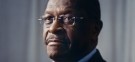
It's not as if the Tea Party didn't have its opportunities. Many anticipated that Sarah Palin would run for president, but she demurred — and has yet to endorse one of the current candidates. Some wanted to see the blunt-speaking governor of New Jersey, Chris Christie, jump into the race, but Christie took a pass and endorsed Romney. The field did, for a time, include Herman Cain, who has been involved for years with the Tea Party and other conservative grassroots efforts, but who stumbled late in 2011. Rep. Michele Bachmann has a standing in the Tea Party movement nearly equal to that of Palin, and had at one point challenged for the polling lead in the race. But she faded into last place well before the Iowa caucuses.
Does this mean the Tea Party failed in 2012? It's easy to believe that, and clearly, one can't coherently make an argument that this field represents a true Tea Party victory. However, to call it a failure is a misreading of the way grassroots movements grow, and perhaps an example of observers and analysts trying to build a narrative in the short term that simply doesn't fit into that time frame.

























Follow Us: