





Solved: How flying insects evolved from hawk-sized to tiny
June 6, 2012, at 12:09 PMGiant flying bugs once boasted massive wingspans nearing 30 inches. But 150 million years ago, they began shrinking, and now scientists think they know why


Giant flying bugs once boasted massive wingspans nearing 30 inches. But 150 million years ago, they began shrinking, and now scientists think they know why

With limited resources and a growing number of disappearing breeds, zoos are having to choose which animals to rescue, and which to let disappear

A new device mimics the sounds of the ocean's smartest creatures, and could one day allow human-dolphin dialogue

A mushroom named after SpongeBob, a sneezing monkey, and a blue tarantula top this year's list of Earth's most bizarre residents

The giant freshwater reptile had a head the size of a football and likely chowed down on small crocodiles

Humans are using up the planet's resources at a frighteningly unsustainable rate, according to a new report from the World Wildlife Fund
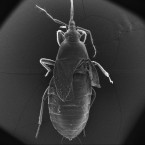
Rather than mate through traditional means, Xylocoris flavipes uses its razor-sharp private parts to brutally impregnate females

Meet Santino, a supersmart, rock-slinging ape who devises elaborate plans to annoy spectators at Sweden's Furuvik Zoo
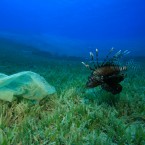
About 1 in 10 fish in the Pacific are found to have bits of plastic in their stomachs, and the pollution predicament is only getting worse
Drugged-out revellers. A party on the grounds of a Swiss zoo. Result: The death of two dolphins named Shadow and Chelmers. Here's the unsettling story
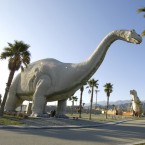
Gassy vegetarians like the Brontosaurus may have produced so much methane that they triggered global warming, possibly hastening their extinction

A conservative think tank drafts the Unabomber for a short-lived ad attempting to chip away at the scientific consensus on man-made climate change

A new study suggests that green-energy-creating windmills make the air they're stirring significantly warmer
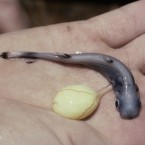
Scientists have long been fascinated by the bioluminescent undersides of the hand-sized pygmy shark, and now they've confirmed the creature's secret

Watch out, surfers: Populations of the translucent invertebrates — along with their nasty stings — are exploding all over the world



|
The daily gossip: Arnold Schwarzenegger signs up for Terminator 5, and more |
|
|
|
PHOTOS: Ridiculously adorable sweater-clad ponies shill for Scotland tourism |
|
|
|
The 13 most hilarious reactions to Beyonce's lip-sync scandal |
|
|
|
8 cringe-worthy examples of James Franco's writing |
|
|
|
My wife dresses me like a hipster. Help! |
|

|
|
Did the anti-abortion movement lead to more single moms? |
|
|
|
Has Obama given up on boosting economic growth? |
|
|
|
Does stress make you age faster? |
|
|
|
How a blind man hiked the Appalachian Trail |
|
|
|
PHOTOS: Inside the American brothel |
|

|
|
Britain pledges referendum on European Union |
|
|
|
How to prepare for your political appointment |
|
|
|
Good luck, John Kerry |
|
|
|
Democrats grumble about Obama's permanent campaign |
|
|
|
Paul Ryan: Now and then |
|


























Follow Us: